


Our Products
All of our meats and seafood are for in store purchase only. Please call ahead if you are looking for a specific cut. To order a made to order sandwich, or one of our specialty charcuterie boards please use the Order Now button.
Whole and Half Cows
Secure your own stash of premium beef with Brunk's Butchery’s exclusive whole or half-cow deposit option. Each order is expertly butchered down to delicious steaks, ground beef, and classic cuts, all vacuum-sealed for maximum freshness. Stock your freezer with USDA Prime beef, sourced from the renowned Creekstone Farms, and savor the unparalleled quality and savings of buying in bulk. Perfect for families, grill enthusiasts, and meat lovers alike, this deposit ensures that you’re fully prepared with the finest cuts at a great value.
Wagyu

Indulge in one of the most exquisite meats in the world with a cut of premium A5 Japanese Wagyu beef. Authentic Japanese Wagyu is world-renowned for its buttery texture, subtle umami flavor and unequaled tenderness, achieved through ample streaks of intramuscular fat deposits. Wagyu farmers in Japan achieve this exceptionally tender, gorgeously marbled beef by raising cattle in a stress-free grazing environment and by keeping their heritage pure to the Wagyu bloodline.

Australia is one of the biggest producers of Wagyu Beef in the world, and uses its own grading scale, the AUS-MEAT marbling system. This scale goes from 0 (no marbling) to 9+ (extraordinary amounts of marbling), the latter one being the highest grade.

These purebred Wagyu are crossed with traditional beef cattle breeds to create American Wagyu Beef. The result is a perfect blend of famous Wagyu buttery marbling and the robust beef flavor that American beef is known for. It is the best of both worlds.
Santa Monica Seafood

Wild Scallops are the largest scallops available anywhere, they are harvested in the Gulf of Alaska then immediately hand-shucked and frozen at sea. Wild Scallops consume microscopic plankton from the water. Hand-shucked immediately and frozen at sea to capture their fresh, sweet flavor.

Unique because of their pink to dark red flesh, tuna is a carnivorous fish specie. Their meat has a flaky texture and rich flavor with high oil content. It has a unique taste, texture and versatility that make it popular around the world. The fish can be baked, grilled, steamed, fried or even minced for a recipe.
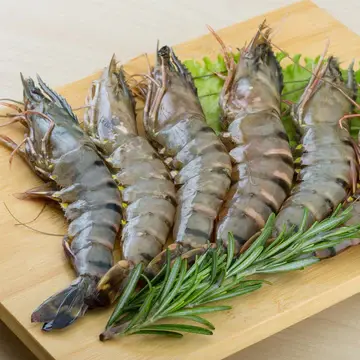
Unlike cold water shrimp, whose meat can be watery and sometimes taste bland, warm water Tiger Shrimp have a distinctly bold, sweet, firm-textured meat that has earned them the honor of being called the 'poor man's lobster'. Tiger Shrimp are some of the tastiest shrimp you can find, mild and sweet without the distinctive ammonia taste some of the other shrimp species have.

When you see fish labeled as “sushi-grade,” it means that the seller has deemed it safe to eat raw. So if you see the “sushi-grade” or “sashimi-grade” label on salmon and other fish at Brunk's Butchery, it means that it has been subjected to deep-freezing. Deep-freezing kills any parasites in the fish.

Coming from people who have had the unique experience of tasting the elasmobranch fish, it has a distinct (mild) meaty and slightly sweet flavor with a moist texture. The closest comparison that people make of the taste of shark meat is either with chicken or alligator meat.

Some of the more common flavors you may taste in an oyster are butter/cream, hints of melon or cucumber, sweet, salty or "briny," and a rusty, copper taste. Texture-wise, oysters are generally described as plump and springy.

King crab legs are succulent, mildly sweet and tender, with snow-white meat with highlights of bright red. It's flavor is often compared to lobster. It breaks off in large, thick and tender chunks that are well worth the numbers on its price tag.

Clams can be eaten raw, steamed, boiled, baked or fried. They can also be made into clam chowder or they can be cooked using hot rocks and seaweed in a New England clam bake.

The Chilean sea bass is very popular because of its amazing taste. The taste is known for being very rich and flavorful. Chilean sea bass is a white fish, and traditional white fish are known for having a great flavor and being able to take on flavors of sauces and spices as well.

Caribbean lobster tails are one of our most popular, and the reigning king for the “best-value” in a spiny or rock lobster. Caribbean lobsters are harvested and flash-frozen aboard factory ships, producing a consistently high-quality product.
Dry Aged Meats

Dry aging a steak makes it more tender and flavorful. First, naturally-present enzymes in the meat break down some of the collagen, which holds muscle fibers together and causes steaks to toughen while cooking. With collagen out of the way, the end result is much more tender.

Dry aging is the process by which large cuts of beef are aged for anywhere from several weeks to several months before being trimmed and cut into steaks. It's a process that not only helps the steak develop flavor, but also makes it far more tender than it would be completely fresh.

Aged steak typically tastes decidedly beefy, much like a rare roast beef, while also taking on subtler hints of other delicious flavors, such as warm buttered popcorn. It can also taste somewhat nutty, and can sometimes veer into the cheesy category.
Meat

Top round is one of the major subprimals of the beef round primal cut. Beef round is a large primal cut consisting of well-exercised muscles from the leg and rump of the cow. It tastes very similar to top sirloin if braised or roasted slowly then sliced thin to enhance its tenderness. But the top round (also called inside round, because it comes from the inside of the leg), is actually a good cut of meat for roasting, as long as it's done slowly at a low temperature.

Beef tenderloin is widely regarded as the most tender cut of beef, and it's certainly the most valuable steak. It's a portion of the ever-popular T-bone or porterhouse steak, and the upscale filet mignon comes from it as well. These tender steaks do well with a quick stove-top sear before getting finished in the oven. You can also cook a whole tenderloin or divide it into smaller roasts.

Skirt steak is a cut of a beef steak from the plate. It is long, flat, and prized for its flavor rather than tenderness. It is not to be confused with flank steak, a generally similar adjacent cut nearer the animal's rear quarter. It's a good all-purpose beef cut, suitable for grilling, roasting, broiling, or sautéing. But because it's so lean, it can be dry and tough if overcooked or sliced too thickly.

The tomahawk steak is an incredibly tender steak with buttery, rich flavor. This section of the animal naturally collects more intramuscular fat, creating the beautiful white lines of fat – the fantastic marbling unique to the rib primal. The tomahawk steak is essentially a ribeye beef steak specifically cut with at least five inches of rib bone left intact. It can also be referred to as a “tomahawk chop”, “bone-in ribeye”, and “cote du boeuf”.

Prime rib is a classic roast beef preparation made from the beef rib primal cut, usually roasted with the bone in and served with a simple pan sauce made from its natural juices (au jus). The word "prime" is a legal designation that refers to the fact that the beef has been graded prime by the USDA.

The cut is from the rib roast, aka prime rib. To be considered a ribeye, the steak must be cut before the roast is cooked. The cuts are then sold as ribeye steaks. Prime rib cuts are larger than ribeye cuts since they include the ribeye and the bone.

A ribeye is distinguished by its rich marbling and natural "flavor kernel" that runs through each steak. These steaks are thick-cut from our exceptional USDA Prime rib roasts, then slowly wet-aged in vacuum-sealed bags that prevent moisture from evaporating.

The porterhouse is a composite steak that's derived from the point where the tenderloin and top loin meet. If you remove the bone and cut out the two steaks that make up the porterhouse, you get a tenderloin steak and a top loin (or New York strip steak). So if you order a porterhouse, expect big portions! A porterhouse can be served whole or sliced, depending on how you want to divide it up. For someone with a very hearty appetite, it is a tremendous meal-even a challenge. As a steak for two,

Picanha is a cut of beef that is popular in Brazil. The cut comes from the top of the rump cap muscle. The closest cut in the United States is a Top Sirloin Cap with the fat cap left on. The Picanha cut is also known as Coulotte. The Picanha cut packs a lot of flavor and offers a great value. Picanha is less common in the United States, but is growing in popularity with the spread of Brazilian steakhouses. Picanha is triangular in shape and can range in size from six to fourteen ounces. It’s f

The New York strip is cut from the beef short loin sub primal, which is part of the loin primal. The loin primal is the source of many premier steak cuts – including the most tender of them all – the filet mignon. When the tenderloin is removed from the short loin, the beef strip loin remains. This sub primal is only about 16-18 inches long and will yield 11-14 steaks, depending on thickness. The New York strip is cut from the beef short loin, sometimes with the bone attached but most often as

Lamb is a type of red meat from domesticated sheep that are less than a year old. Lamb has a unique flavor and is very tender. Some people describe the flavor as “gamey,” but we prefer using words like grassy, well-balanced, robust or pastoral. The flavor comes from branched-chain fatty acids (BCFAs) in the lamb's fat.

Hanger steak comes from the lower belly of a heifer or steer and is comprised of a pair of muscles that make a sort of v-shape. Although there is a long membrane running down the middle, hanger steak is often the tenderest cut of meat. Historically popular in Europe, hanger steak is often seen on a French bistro menu listed as onglet; you may also hear it referred to as "skirt" in the UK, lombatello in Italy, and solomillo de pulmón in Spain. In the U.S. it might be labeled as "hanging tenderlo

A flat iron is a versatile steak that can be cooked by several methods. It’s great in steak recipes like stir-frys or steak fajitas. It can also be grilled, broiled or pan fried. The fine marbling will cook into the steak, creating a juicy, flavorful steak when cooked to a perfect medium-rare doneness. To prep the flat iron, season liberally with coarse sea salt and fresh black pepper. Cook to perfection indoors using the pan-seared method or sous vide and sear cooking method or outdoors on the

Flank steak is technically not a steak at all. Instead, this popular cut of beef comes from the cow's belly muscles. It’s a flavorful piece of meat, but is very lean, containing almost no fat. Despite its toughness, it can be a tasty and tender if you learn how to prepare it properly. Flank steak benefits from marinating, and is best enjoyed grilled over high heat or slow-braised.

Cowboy steaks (aka Cowboy Ribeye Steaks, Bone-In Ribeye Steaks) are a more impressive version of a classic steakhouse favorite. Compared to a standard ribeye steak, these are larger, containing more meat beyond the eye, and a frenched (cleaned of meat & fat) portion of bone protruding from one end.
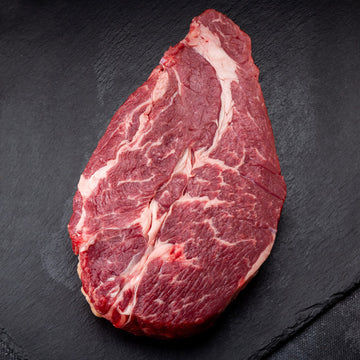
Also known as a mock ribeye, the chuck roll is a tender and tough cut with a strong, beefy flavor. Because it’s taken from right next to the ribs, the chuck roll is ideal for barbecuing in “country style” (aka boneless) ribs. It’s also quite good for roasts, excellent for braising, often used for stew meat, and especially well-marbled pieces can even be turned into chuck roll steak.

The Denver steak is a cut taken from the shoulder area of the cow, specifically a section underneath the shoulder blade bone. This muscle doesn't get used much by the animal, which gives the cut a tender profile. It's a very flavorful, boneless cut of beef, which can be further tenderized by pounding.

Brisket comes from the breast section of the animal, under the first five ribs. It is a large cut that is sold boneless and usually weighs in anywhere from 8 to 20 pounds, making it quite a hefty-sized cut. If you’ve had corned beef or pastrami before, then you’ve had brisket. This large piece of flavor-packed beef is often cured or smoked, but it’s also one of the best cuts for braising and slow cooking.

This large primal comes from the shoulder area and yields cuts known for their rich, beefy flavor. Features roasts ideal for slow-cooking as well as more tender, grill-ready cuts such as the Flat Iron Steak.
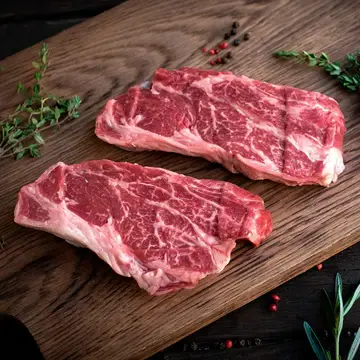
The chuck eye steak comes from the upper shoulder of the cow, the region butchers refer to as the chuck primal. Known for flavorful roasts, chuck cuts generally benefit from low-and-slow cooking methods. But because the chuck eye includes a few inches of the tender longissimus dorsi muscle, the main component of a rib-eye, it can handle the high-heat cooking methods more appropriate for steak.

Bottom Round cuts are often used to make roasts and are often used for your traditional roasts for Sunday dinners. They are also used to make ground beef and deli meat. Eye of Round is a bit tougher than bottom and top round cuts, and is best sliced up thin for sandwiches.

Boneless beef short ribs are a very flavorful cut that must be slow cooked (typically braised) in order to become tender. Having the bones removed makes them easier to cut, portion & shred than bone-in short ribs. This short rib meat is center cut from the short ribs running through the chuck & plate.

Beef bone-in short ribs are a very flavorful, highly marbled cut that must be slow cooked to become tender. The bones help hold the meat together and add flavor & body to braising liquids they're cooked in. These short ribs are center cut from the short ribs running through the chuck & plate.
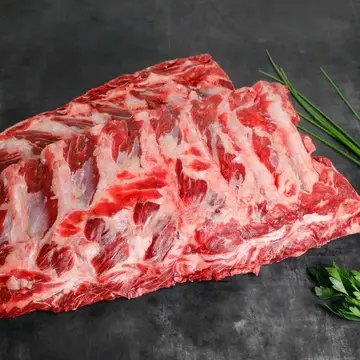
Back ribs are literally the beef version of baby back ribs, that come from the portion of rib closest to the spine, where the curve of the bone can be found. They are less about the meat on them, and more about the meat between them, which are called Intercostals.
Pork

Have you ever considered purchasing a whole pig? A whole pig typically yields 120 pounds of meat or more. Cost depends on the cuts chosen and its weight, but one can expect to save 15 percent to 40 percent.

Pork butt, and pork shoulder are frequently confused—and misleadingly named—cuts of meat. Both come from the shoulder of the pig, but pork butt is higher on the foreleg, while pork shoulder is farther down. As relatively tough and fatty cuts, both benefit from long, slow cooking methods such as roasting, stewing, and braising.

Pork belly is the flesh from the belly area of the pig. When sliced and cured, it becomes bacon. Left whole or cut into smaller chunks, pork belly responds well to moist heat cooking, turning it fork-tender.

Pork Collar is a tender cut of well marbled pork with amazing flavor. Perfect for a marinade and roasted on the grill. If you love pork and you haven’t heard of this amazing cut, you need to seek it out and try this grilled version with a delicious citrus marinade.

There's just something about our Wild Cherrywood Smoked Uncured Bacon that makes it absolutely impossible to quit eating. Smoked over glowing embers of Cherrywood logs, and made from an all-natural recipe that contains no artificial ingredients, this bacon is downright irresistible.

There are two primary cuts of bone-in pork chops — rib cut and center cut. Rib cut pork chops include a rib bone and a medallion of lean loin meat. There is also usually some fat that helps connect the meat to the bone. Center cut pork chops (also called the loin chop or center loin chop) include that same rib bone and the same loin meat. But on the other side of the bone is another piece of meat — a richer, darker piece of tenderloin.

Boneless pork chops consist of the same meat as the rib-cut pork chop, but they have the bone and excess fat removed. Since these chops are trimmed and ready to cook, they're perfect for quick weeknight dinners.

A pleasingly sweet, yet milder smoked bacon for an unforgettable flavor. This country bacon is dry cured with simple ingredients like salt, sugar, and sodium nitrite then applewood smoked to perfection.
Chicken

Unlike Kobe, however, Jidori does not correspond to a specific region of Japan. Instead, the term roughly translates to "from the ground." Jidori chicken refers to a type of mixed-breed domestic free-range chicken known for its robust flavor..

Freshness is the real difference between jidori-style and factory-raised chickens. Jidori chickens are never frozen, and retain less water than most chickens, resulting in a pinker breast, firmer texture, and fuller chicken flavor. Our Jidori Chicken Thighs will put a big smile on your face the moment you take your first bite.

There are many different cuts on the chicken and thus many kinds of meals you can make. So when using a whole chicken, you’re automatically forced to think creatively. And to use cut-outs on the chicken, which you normally don’t use in dishes. This is healthy for the brain and helps to develop one’s cooking skills. With the whole chicken you also get flexibility in terms of dining options.

The best start for your next party is the Jidori chicken wings. Jidori refers to a type of mixed-breed, domestic, free-range chicken known for its great taste. Until you've tasted the super-fresh, incredibly flavorful, organic and all-natural Jidori Chicken, you've never really had chicken! Described as the “Kobe Beef” of chicken, Jidori is bold, with a robust chicken flavor that bland, mild commercial chickens could never hope to imitate.

Chicken Liver is used in many different dishes all around the world. The fat keeps the liver moist and gives it a sweet, nutty flavor, and the low temp cooks it just enough. The livers are actually loaded with lots of nutrients like folate, iron and biotin that perform a multitude of functions in keeping the body healthy.

Chicken gizzards taste kind of like dark meat chicken. Very flavorful, especially when it is fried or stewed. The gizzard is actually one of the most nutritious parts of chicken, despite the prominence of other poultry meat selections. It is high in protein. So high, in fact, that one cup of gizzard meat can satisfy up to 88% of your daily recommended value of protein.

They're known all over the world and taste just like other parts of the chicken. Deep-fried with a batter of eggs and flour, the chicken feet taste something in the ballpark of fried chicken. Even without providing much meat, they're high in collagen — the most abundant protein in your body. This collagen content may help relieve joint pain, aid skin health, and prevent bone loss. Although chicken feet are often deep-fried, using them for a bone broth is a healthier preparation method.